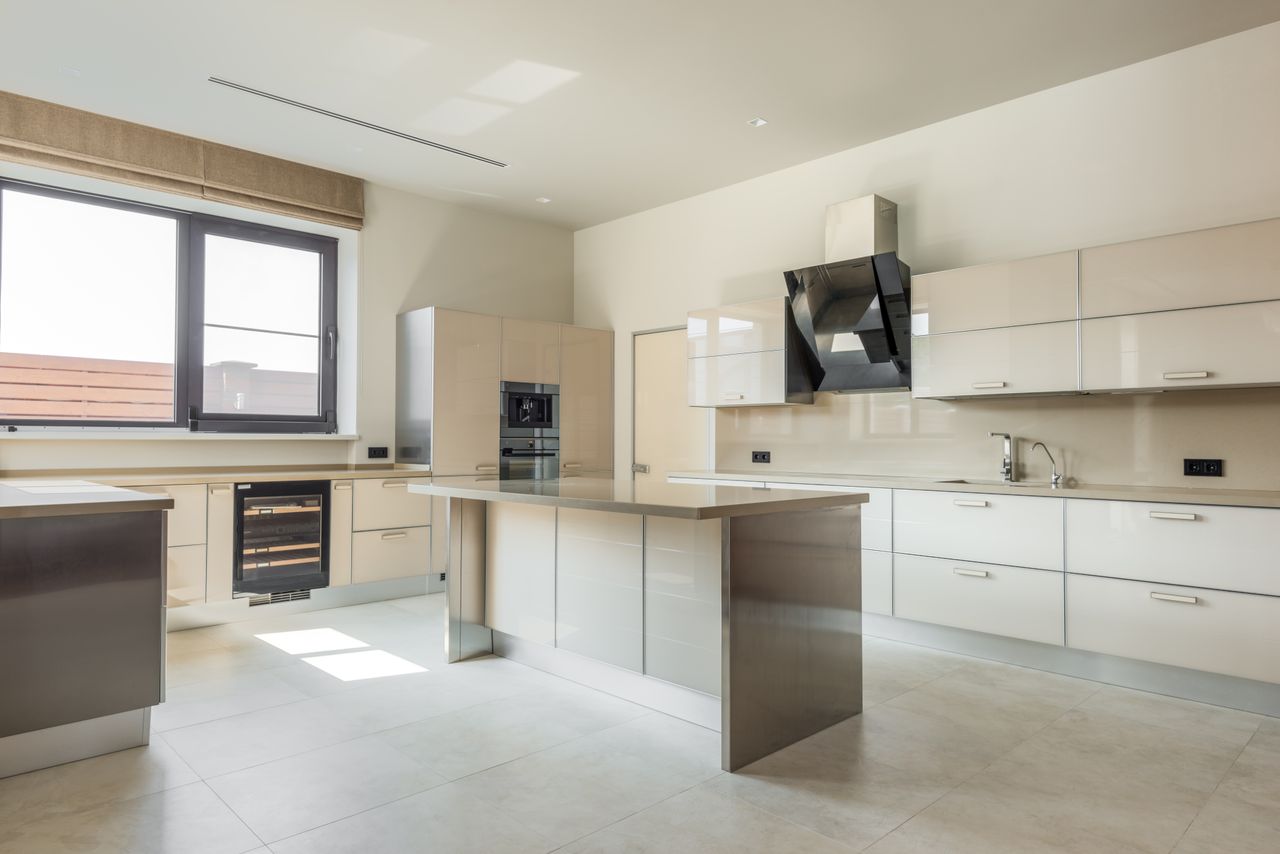
Kitchen cabinet hardware in Saskatoon homes is one of those finishing details that does not get much attention during the planning phase but suddenly matters a great deal once the cabinets are in. Pulls, knobs, and hinges are the parts of your kitchen you interact with every single day. They affect how the space looks, how the cabinets feel to use, and how well everything holds up over years of daily use. Getting this decision right is simpler than most people think once you understand the key factors.
This guide covers everything you need to know before choosing hardware for your kitchen cabinets, whether you are building new cabinets from scratch, doing a full kitchen renovation, or simply updating an existing kitchen with a fresh set of pulls.
Knobs vs. Pulls: Understanding the Difference
Knobs are single-point hardware, typically round or square, mounted with one screw and used most often on cabinet doors. Pulls are longer hardware pieces that span two mounting points and are typically used on drawers, though they also work well on cabinet doors.
There is no rule that forces you to use one exclusively. A common and effective approach is knobs on cabinet doors and pulls on drawers. This distinction helps your eye separate the two functions and gives the kitchen a layered, considered look. It is a classic combination that works in both traditional and contemporary kitchens.
If you want a cleaner, more minimal feel, using pulls throughout, on both doors and drawers, keeps things consistent and modern. This approach works especially well in contemporary kitchen designs where simplicity is part of the aesthetic. If you want warmth and a more traditional feel, knobs on the doors suit that style well.
Finishes That Work in Saskatoon Kitchens
The finish you choose should coordinate with your faucet, light fixtures, and appliance handles. You do not need to match every metal in the kitchen exactly, but you want the finishes to belong to the same family. Mixing too many different metals in one space tends to make the design feel scattered rather than intentional.
Matte black is the most versatile finish available right now. It works with white cabinets, grey cabinets, navy, forest green, wood tones, and almost any countertop surface. It reads as contemporary without being trendy, and it holds up in a kitchen environment without showing fingerprints the way polished finishes do. If you are not sure which finish to choose, matte black is rarely the wrong answer.
Brushed gold or champagne bronze adds warmth and richness to a kitchen. It pairs particularly well with cream, off-white, and earthy cabinet colours, and it complements natural stone countertops and warm wood tones.
Brushed nickel is the most classic and neutral option. It works in both contemporary and traditional kitchens, coordinates easily with stainless steel appliances, and has a quiet, understated quality that suits a wide range of design styles.
Polished chrome is clean, bright, and sleek. It suits contemporary and minimalist kitchen designs well, but it shows fingerprints more readily than brushed or matte finishes.
Oil-rubbed bronze has a warmer, more aged quality and works well in traditional or farmhouse-style kitchens. It pairs naturally with wood tones and earthy colours.
Whatever finish you choose, apply it consistently across the whole kitchen.
Getting the Size and Scale Right
Hardware size is something that catches people off guard. A small knob on a large cabinet door looks out of proportion and can make the door feel awkward to open. A pull that is too short on a wide drawer looks like an afterthought.
For standard cabinet doors, a knob between 1 inch and 1.5 inches in diameter works well. For bar-style pulls on doors, a length between 3 and 5 inches is typically the right range. For drawers, a useful guideline is to choose a pull that spans roughly one-third of the drawer width. Standard drawers take pulls in the 3 to 5 inch range. Wider drawers can take longer pulls in the 6 to 8 inch range.
Something worth knowing: hardware tends to look smaller in person than it does in photos or on a showroom display. When you are holding a pull and it feels like the right size, go one size up. You will almost always be glad you did.
Placement: Where Hardware Goes on a Cabinet
The standard positioning for knobs and pulls on upper cabinet doors is in the lower corner of the door, near the opening edge. On lower cabinet doors, the hardware goes in the upper corner. This placement makes it natural to pull the door in the direction it opens.
For drawers, centred hardware is the standard. If you are using a longer pull on a wide drawer, you can mount it horizontally in the centre of the drawer front or vertically at one end. Both approaches work, but centred horizontal is the most common.
Stay consistent with your placement across the entire kitchen. Even minor inconsistencies in hardware height or position from one cabinet to the next are noticeable once everything is installed.
Soft-Close Hinges and Interior Hardware
Cabinet hardware is not only about what you see on the outside. The hinges, drawer slides, and other mechanical components inside your cabinets have a significant impact on how the kitchen functions day to day.
Soft-close hinges prevent doors from slamming shut and reduce wear on the cabinet box and door over years of use. They are a small upgrade with a noticeable daily benefit, particularly in a family kitchen. Soft-close drawer slides do the same for drawers. At Saskatoon Cabinets, soft-close hardware is a standard inclusion in our custom cabinet builds because the functional difference is significant.
Push-to-open or touch-latch hardware is another option for a handle-free look on cabinet doors. These mechanisms allow a door to open with a light push, which works well in very clean, minimal kitchen designs.
Lift-up mechanisms for upper cabinet doors are worth considering in kitchens where the ceiling is lower and a standard hinged door would swing out awkwardly or block the workspace.
How to Make the Decision Without Getting Overwhelmed
The range of options available can make choosing hardware feel more complicated than it needs to be. Here is a simple sequence that cuts through the noise.
Start with your finish, because that decision eliminates most of the options. Choose based on what coordinates with your faucet and fixtures.
Next, decide between knobs, pulls, or a combination. If you are not sure, knobs on doors and pulls on drawers is a reliable starting point in any kitchen style.
From there, choose a size that is proportional to your cabinet and drawer faces. Err on the larger side if you are unsure.
Finally, confirm your placement before drilling anything. Mark one cabinet door and one drawer, step back, and look at it before committing to the rest.
If you are building new cabinets or replacing your existing ones, bring your hardware samples to your cabinet consultation. At Saskatoon Cabinets, we can help you see how different hardware choices look alongside your door style, finish, and countertop options before anything is finalized.
The right hardware is the kind you stop noticing after the first week, because it just feels right every time you open a cabinet. If you are planning a kitchen update in Saskatoon and want to make sure every detail is right, visit Saskatoon Cabinets to learn more, explore our full range of kitchen cabinets, or contact our team to discuss your project. You can also browse our gallery to see finished kitchens, learn about our cabinet services, or explore our custom cabinet solutions built specifically for Saskatoon homes.
