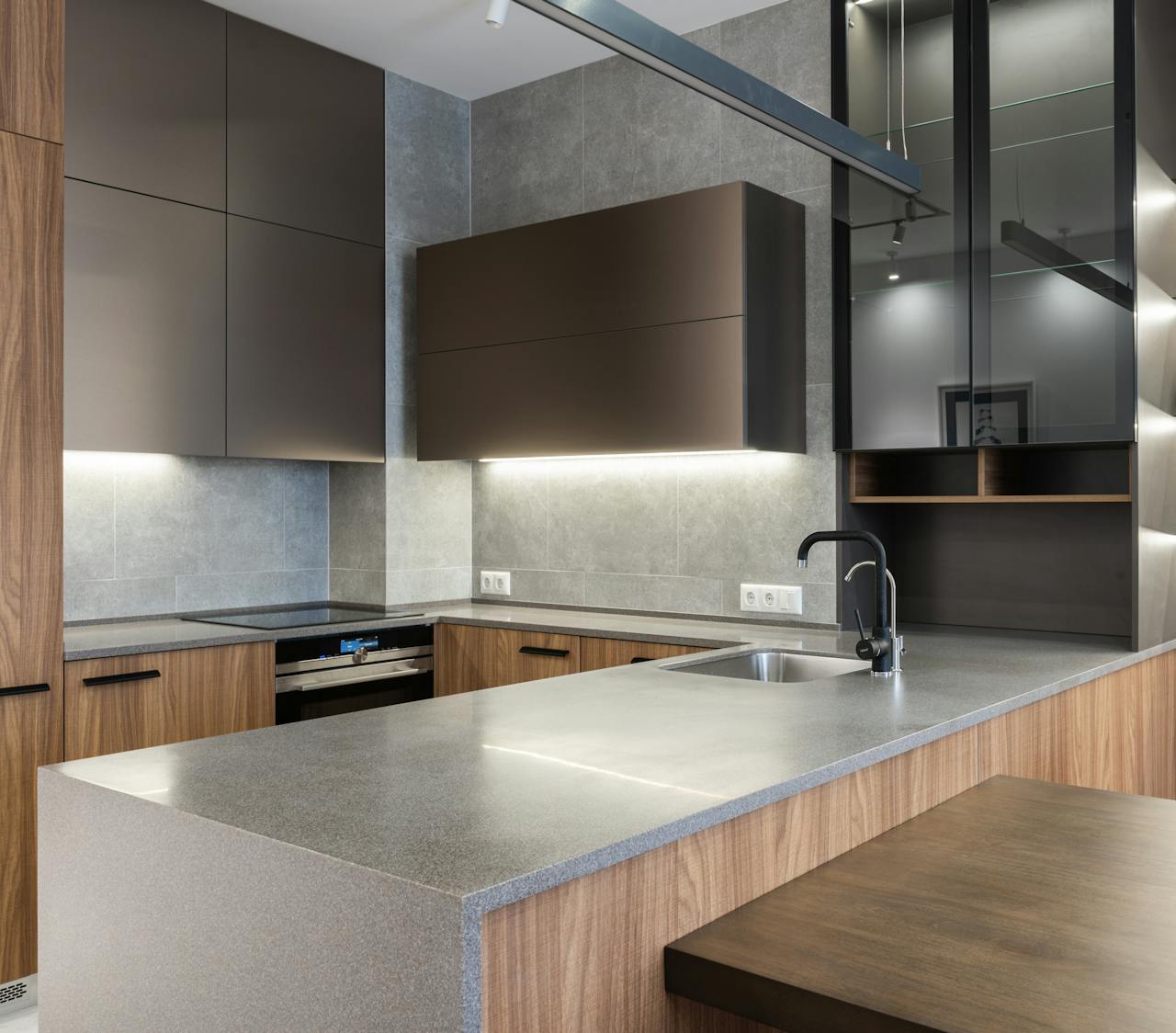
Living in Saskatoon comes with its own unique climate challenges bitterly cold winters, dry air, and seasonal humidity shifts. It’s not just your skin that feels the effects your cabinets do too.
If you’re planning a kitchen, bathroom, or mudroom renovation, it’s critical to choose materials that stand up to our Saskatchewan weather. The wrong choice can lead to warping, cracking, swelling, and costly repairs down the road.
So let’s break down the best cabinet materials for Saskatoon’s climate—and what you should avoid.
Why Climate Affects Your Cabinetry
Here in Saskatchewan, the cold, dry winters and humid summers create extreme shifts in indoor moisture levels. Wood and wood-based materials expand and contract with changes in humidity, which can:
Cause warping or bowing of cabinet doors and panels
Lead to cracking in paint or veneers
Loosen joints or hardware over time
That’s why choosing climate-tough materials is essential—especially if you want cabinets that stay beautiful for years.
1. Plywood: The Reliable Workhorse
Best for: Cabinet boxes and structural parts
Plywood is made of cross-laminated wood veneers, which gives it strength and moisture resistance. Unlike particleboard or MDF, plywood is less likely to warp in changing humidity.
Why it works well in Saskatoon:
Durable under cold and dry conditions
Holds screws and fasteners well
More stable than MDF in fluctuating temperatures. We recommend using plywood for cabinet boxes—it offers the best strength-to-cost ratio.
2. MDF: Great for Painted Cabinet Doors
Best for: Painted doors, panels, and trim
MDF (medium-density fiberboard) is smooth and consistent, making it ideal for painted finishes. It won’t splinter or crack like solid wood, and it resists expansion if properly sealed.
Why it works well in Saskatoon:
Stable material for detailed door designs
Great paint adhesion
Less prone to wood grain cracking in dry air
3. Hardwood: Classic and Strong
Best for: Stained cabinet doors, frames, and decorative panels
Hardwoods like maple, oak, and birch are naturally strong and beautiful. When properly finished, they can handle temperature swings—but they require more maintenance than engineered materials.
Why it works in Saskatoon:
Dense, durable, and long-lasting
Can be refinished over time
Adds timeless value to your home
Materials to Avoid (or Use Sparingly)
Particleboard
Cheap, but prone to swelling and sagging in humidity. It also doesn’t hold screws well. Only acceptable in non-load-bearing areas.
Thermofoil (on MDF)
While popular for its smooth finish, thermofoil can peel or blister in extreme dry heat or humidity if not properly sealed.
Ideal Cabinet Material Combo for Saskatoon Homes
Here’s what we often recommend at Saskatoon Cabinets:
Plywood cabinet boxes (for strength)
MDF doors (for painted styles)
Hardwood accents (for warmth and texture)
This combo balances durability, cost-efficiency, and aesthetics—customized to our local climate.
Want to dive deeper into material science? Read this breakdown from Bob Vila comparing MDF and plywood in-depth. Don’t let Saskatoon’s climate ruin your dream kitchen. By choosing the right cabinet materials, you’re investing in cabinetry that can handle the long, cold winters and dry indoor air with grace.
Not sure which material is best for your project? Contact Saskatoon Cabinets, and we’ll help you design cabinets built for Saskatchewan life.
