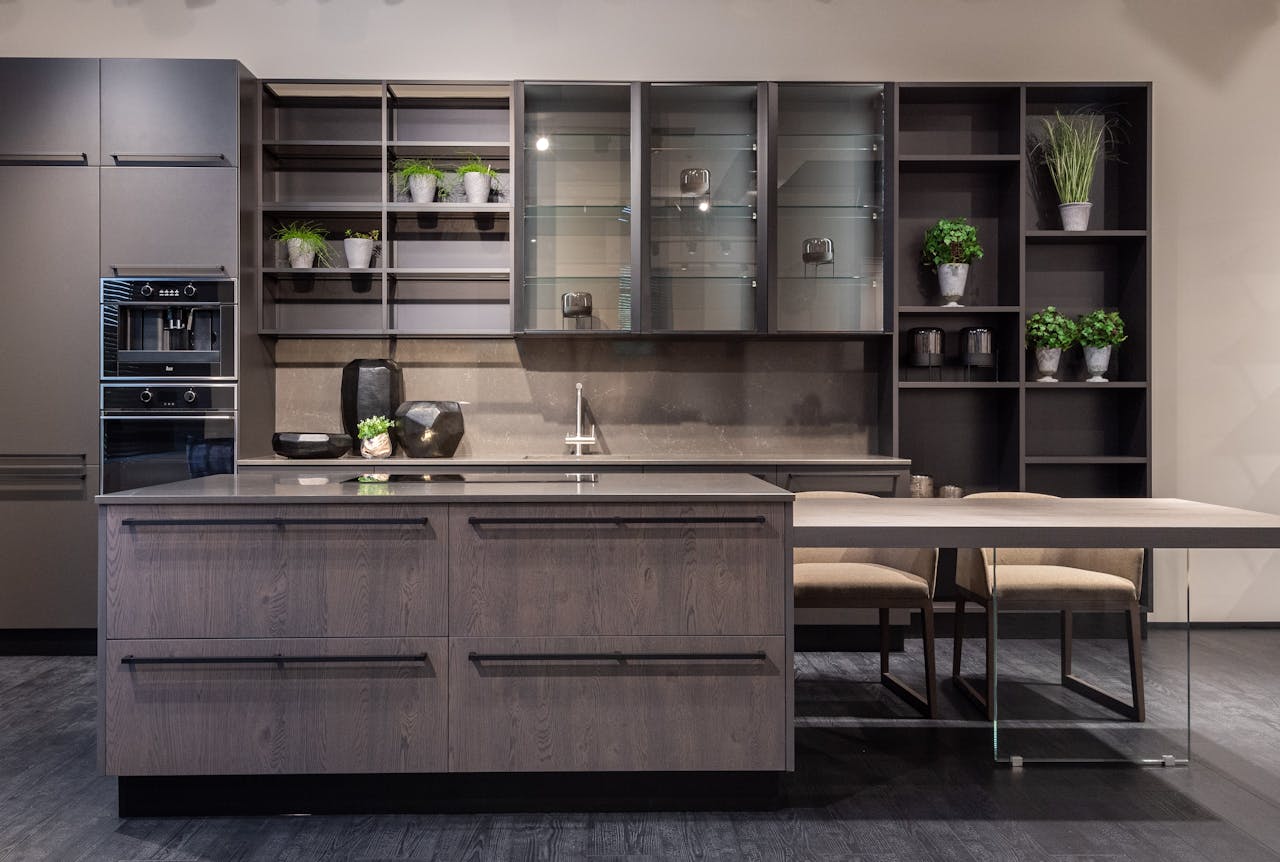
How to Plan Your Cabinet Layout Like a Designer
Designing a kitchen or bathroom is exciting—but it can also feel overwhelming when you’re not sure where to start. Whether you’re renovating your home in Saskatoon or building from scratch, one of the most important decisions you’ll make is how to plan your cabinet layout.
The good news? You don’t have to be a designer to get a functional, stylish space. With a bit of strategy and expert-backed insight, you can create a layout that’s both beautiful and built for everyday life.
Start with Zones and Workflow
A great layout starts with understanding how you move through your space. Professional designers focus on work zones—specifically in the kitchen.
Common zones include:
Prep zone (counter space, cutting boards, trash nearby)
Cooking zone (stove, spice drawers, pots and pans)
Cleaning zone (sink, dishwasher, garbage)
Storage zone (pantry items, dry goods, dishes)
Think about: What tasks do you do most often? Where do you naturally want things to be?
Don’t Forget the Work Triangle
The classic kitchen work triangle connects your:
Sink
Stove
Fridge
Keep them within reasonable distance—ideally, 4 to 9 feet apart—and avoid putting major obstacles (like islands or tall cabinets) in the way.
A well-planned triangle keeps your kitchen efficient, no matter the size.
Prioritize Storage by Category
Instead of designing around cabinet boxes, design around what you actually need to store.
Plan space for:
Cutlery and utensils near prep areas
Spices and oils near the stove
Plates and bowls near the dishwasher
Tall pantry items in pull-outs or drawers
Think Vertically, Not Just Horizontally
Don’t waste valuable vertical space. Use the full height of your kitchen or bathroom by adding:
Tall pantry cabinets
Stacked upper cabinets
Open shelves above eye level
Especially in Saskatoon homes with high ceilings, this helps maximize every square inch.
Include the Right Mix of Cabinet Types
A balanced layout includes a mix of:
Base cabinets for pots, pans, and appliances
Wall cabinets for dishes and dry goods
Tall cabinets for broom closets or pantries
Drawers for everyday tools and utensils
Avoid layouts that are too drawer-heavy or cabinet-heavy—you want a variety for different functions.
Design for Daily Living
Make sure your cabinet layout supports the way your household actually functions.
Got kids? Add lower drawers for their dishes.
Cook often? Add wide drawers near the stove.
Hate cluttered counters? Plan a small appliance garage or hidden charging station.
At Saskatoon Cabinets, we design layouts that suit your life, not just your style.
Consider Local Climate and Materials
Cold winters and dry indoor air can impact how your cabinets perform. That’s why it’s important to pair smart layout planning with durable materials—especially around water sources and heat.
For more on this, check out our blog: Best Cabinet Materials for Cold Saskatoon Winters.
Design That Works for Your Home
Planning your cabinet layout like a designer isn’t about being trendy, it’s about creating a space that works for you, day in and day out. With a thoughtful layout, your cabinets will not only look beautiful but make your life easier.
Ready to bring your vision to life? Connect with Saskatoon Cabinets to start your custom cabinet layout today.
